
On June 10, 2025, the U.S. House Transparency Caucus hosted a discussion about current issues, promising proposals, and ongoing successes in government transparency in the Rayburn building.
Our founder was present to record the event and pose questions. Video is embedded below.
https://m.youtube.com/watch?v=WjVGQyh7yco
Congressman Mike Quigley (D-IL-5), chair and founder of the Transparency Caucus, gave opening remarks about the importance of open government in American democracy, reflecting on his experiences in Chicago and Washington, DC.
The cost of corruption is dollars, but the real cost of corruption is the loss of public trust. That trust has been on steady decline for the last 20 years,” said Quigley. “If we can improve the openness in communication between the government and the people, we can build a government that works better for the people.”
Panel Participants:
-Courtney Bublé (Moderator), Congress Reporter with Law360
-Lauren Harper, Daniel Ellsberg Chair on Government Secrecy with the Freedom of the Press Foundation
-Demian Brady, Vice President of Research with the National Taxpayers Union Foundation
-Jason Powell, Policy Director with the Citizens for Responsibility and Ethics in Washington (CREW)
“Another thing we need to pay attention to is the destruction of records and agencies discontinuing the practice of maintaining certain records,” said Harper. “You can not get a FOIA response if an agency has destroyed those documents. Or if it has opted to stop creating those records.”
Members of Congress “don’t lose their pensions until they’re finally convicted. That means many can sit in jail, and appeal, and still collect their taxpayer-funded pension,” said Brady. “The last piece of transparency we need for that is from the Office of Personnel Management, but they haven’t answered my emails since 2020.”
“Sunlight in government is essential to a functioning democracy,” said Powell. “As part of DOGE’s efforts to reshape the government, on April 1st the CDC’s entire FOIA office was suspended without prior notice or without a plan for how the statutorily required work would continue. The CDC is now not able to respond to new [FOIA] requests, existing requests, or make statutorily-required proactive disclosures.”
More information on the House Transparency Caucus is available at Congressman Quigley’s website.
More information on the Advisory Committee for Transparency is available at transparencycaucus. info




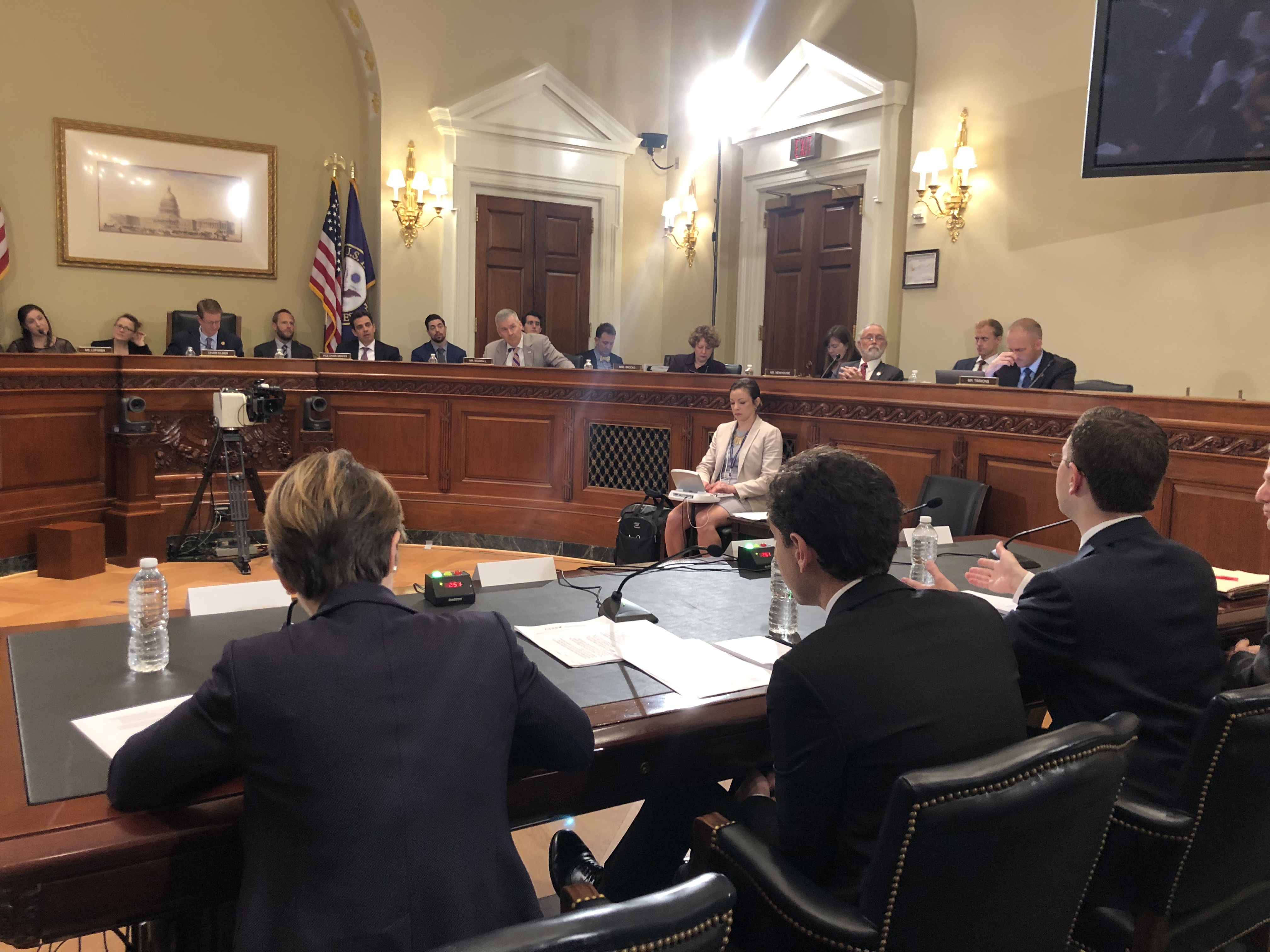 On May 10, the Select Committee on the Modernization of Congress in the United States House of Representatives held a hearing on “opening up the process,” at which 4 different experts talked with Congress about making legislative information more transparent,” from ongoing efforts to proposed reforms to the effect of sunshine laws passed decades ago.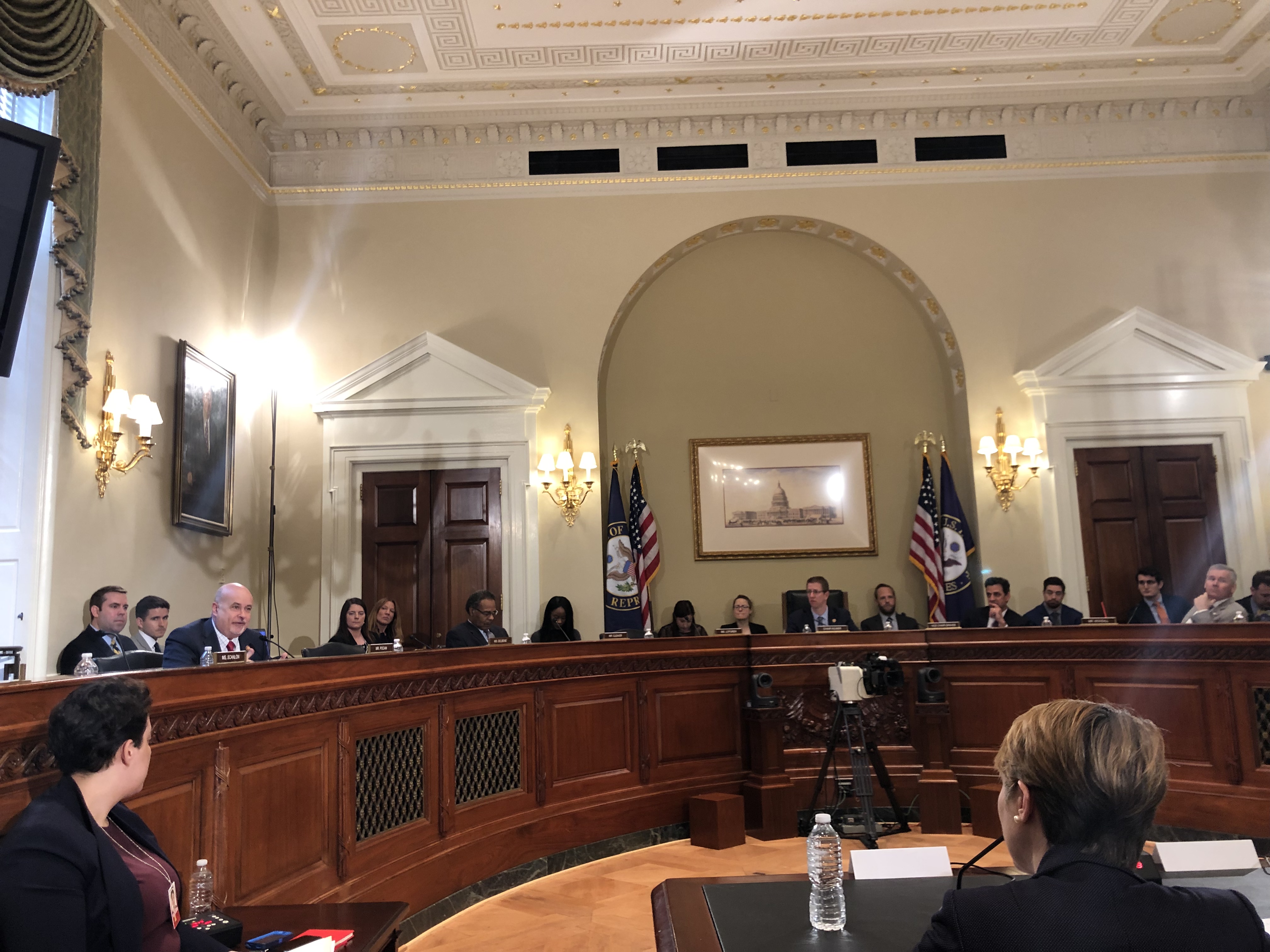
 E Pluribus Unum